

What is Children Chair?
Children Chair are crafted with high quality to ensure a safe and environmentally friendly seating option for children. Its lightweight construction and sturdy construction provide a stable and safe place for children to sit and play.
Why Choose Us
Quality Assurance
Our products have obtained BSCI、ISO9001 and other certifications, and our company has a complete quality control system to ensure the highest standards. By using high-quality environmentally friendly materials in our products, we are committed to promoting a green economy and sustainable development.
Customizable
We are capable of immediate make-to-order according to the customer's sample, image, or sketch. Our Design team can turn out accurate samples effectively.
Experienced Team
With over 10 years of industry experience, we understand the needs and trends of the office chair market. We have more than 160 skilled workers.
Expansive Market Reach
Our customers are all over North America, South America, Asian, Europe and other regions, and have received recognition from foreign customers.
-

Comfortable Children Study Chair
The kid desk chair adopts dual back support and rotating armrests design. The backrest and armrests can well support the kid's back, waist and arm. The kids desk chair fits kid's body curves and help
Add to Inquiry -
Comfortable Children Study Chair
Comfortable children study chair, this lovely bright color can easily match room decor and stationery to bring a good mood for kids.Children's tables and chairs are very easy to assemble and can
Add to Inquiry -
Kids need an organised space for studying and homework (or computer games). Our children’s desk chairs offer lots of smart features such as height adjustable seats and more, so that their chair can
Add to Inquiry -
Multi Function Children Study Chair
CH-2 is our Multi Function children study chair, one of the best children ergonomic chairs just for children. Seat and back are both height adjustable for users age 3-18, 3D adjustable armrests for
Add to Inquiry -
Adjustable Children Study Chair
Our adjustable children study chair, one of the best children ergonomic chairs just for children. Seat and back are both height adjustable, seat depth can be adjusted, this is a very important
Add to Inquiry


Advantages of Children Chair
Lorem ipsum dolor sit amet consectetur, adipisicing elit
Independence and familiarization with the world
Children can sit and stand on their own. In the initial stage of walking, furniture will be a secure support for the walking child. Small sizes, stability, and lack of sharp edges will make you calm while the child tries to be independent.
Personal space
A small table and chair give the child a sense of ownership and autonomy. This becomes his personal space where he can engage in various activities such as reading, writing, drawing, or working with educational materials. This sense of ownership promotes responsibility and encourages the child to take care of their things.
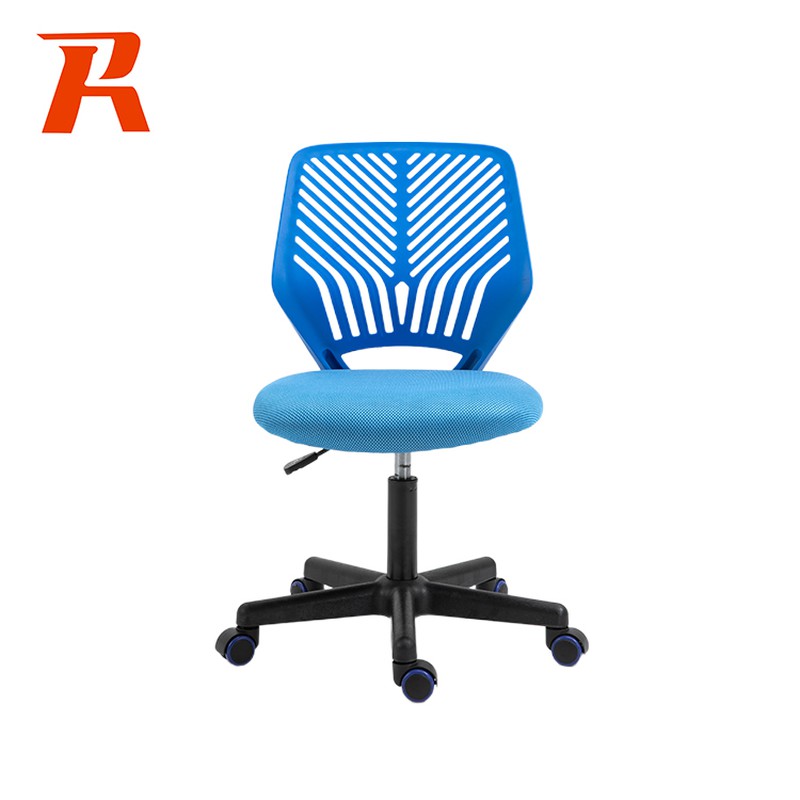
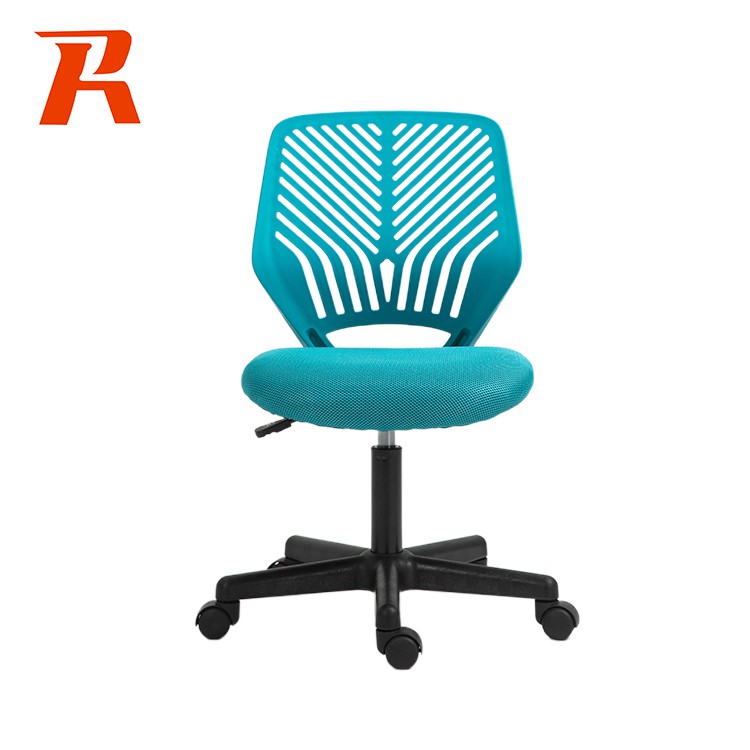
Comfort and ergonomics
Furniture is designed with the child's physical development and comfort in mind. The table and chair are of appropriate size for the child's age and height, promoting good posture and reducing stress on the body.
Building practical skills and habits
Even the youngest children participate in the meal from beginning to end. Helping to prepare food, serving, and then enjoying it on their own is the right approach to the dining ritual. Many parents find that in addition to involving their children in food preparation, allowing them independence in serving and eating helps avoid picky eating.
Types Of Children Chair

High Chairs
High chairs are designed to be used for feeding babies and young toddlers. They typically feature a tray that can be removed for easy cleaning and adjustable height settings to accommodate the child as they grow. Many high chairs also come with additional features such as reclining seats, adjustable footrests, and padded cushions for added comfort.

Booster Seats
Booster seats are designed to be used with an existing dining chair to provide a safe and secure seat for young children. They typically feature a harness to keep the child in place and adjustable straps to secure the booster seat to the dining chair. Booster seats are perfect for families who want a portable and versatile seating solution for their child.

Rocking Chairs
Rocking chairs are designed to provide a soothing and calming motion for young children. They are typically made with a sturdy plastic frame and a soft, padded seat for added comfort. Many rocking chairs also feature built-in music or vibration settings to help soothe fussy babies.

Foldable Chairs
Foldable chairs are perfect for families who are always on the go. They are designed to be lightweight and portable, making them easy to take with you wherever you go. Foldable chairs typically feature a simple, yet sturdy design and can be easily folded down for storage or transportation.

Wooden chairs are a popular choice and are generally safe for kids. However, it's crucial to ensure that the wood is free from splinters and sharp edges. Look for chairs made from solid wood or plywood, as these materials are sturdy and less likely to break.
Maintenance of Children Chair
1.Regular dusting and wiping: Regular dusting and wiping are the first steps in maintaining your Children Chair. Use a soft cloth or a duster to remove any loose dust or debris from the surface of the chairs. Wiping the chairs with a damp cloth will also help remove any smudges or surface dirt.
2.Mild soap and water solution: For general cleaning of your Children Chair, a mild soap and water solution is sufficient. Fill a bucket or basin with warm water and add a small amount of mild dish soap. Stir the solution gently to create suds. Dip a soft sponge or cloth into the soapy water, wring it out slightly, and use it to wipe down the plastic chairs.
3.Avoid sun exposure: If you have Children Chair outdoors, it's important to protect them from excessive sun exposure. Prolonged exposure to sunlight can cause the to fade, or develop cracks. Whenever possible, place the chairs in shaded areas or use protective covers when they are not in use.
4.Store properly: Proper storage is crucial to maintain the longevity of your Children Chair, especially during periods of non-use or harsh weather conditions. If your chairs are stackable, consider stacking them to save space. If they are not stackable, find a suitable storage area where they are protected from moisture, extreme temperatures, and dust.
How to Choose a Children Chair
The right size
It’s best to bring your little lounger to the store to give a couple of chairs a try before you invest in this piece of toddler gear. Her feet should touch the floor when she’s seated, though it’s not necessary that they rest flat against it.
The right age range
Most chairs for toddlers are designed for children between the ages of 18 months and four years old, but it’s still worth checking the age recommendations on the packaging before you buy one, in case the chair is intended for bigger kids.
The best material for the intended use
Basic plastic or wood chairs are great if your tot and her playmates will be using them at tiny tables for children, while an upholstered chair works well next to your critter’s book collection.
Comfort
Comfort is a must-have for a kid’s chair. The seating area should be well-padded with soft materials. And if it’s a high chair, it should have a footrest where the child can rest their feet.
How to Choose Children Chai
Size and comfort
First of all, the size of the child's chair is crucial. Choose a chair that is sized appropriately for your child's height and shape so they can maintain good posture in the chair. In addition, the seat cushion and backrest of the chair should have a certain degree of cushioning and support to reduce pressure on the child's waist, back and neck. The chair's armrests and footrests are also factors to consider, as they can help keep your child stable while increasing comfort.
Security
Safety is another important factor when choosing a child chair. The structure of the chair should be stable and free of sharp edges and protruding screws to prevent injuries to children. In addition, children's chairs should be equipped with safety belts to prevent children from shaking or falling in the chair. When purchasing, parents can check whether the structure of the chair is sturdy and whether the five-claw chair legs are stable to ensure that children are safe and worry-free during use.
Design and style
The design and style of children's chairs are also factors that parents need to consider. A children's chair with bright colors and cute shapes can stimulate children's interest and creativity. In addition, parents can choose children's chairs of different styles and themes according to their children's gender, age and preferences.
Functionality and durability
In addition to size, safety, and design, functionality and durability of a child chair are also factors that parents need to consider. A good children's chair should have certain adjustment functions, such as adjustable height and depth, to adapt to the child's growth needs. In addition, the material and coating of children's chairs should be environmentally friendly and non-toxic to ensure the health of the child.
Components of Children Chai
Seat
The seat is the most important component of any chair. In a children's chair, the seat should be the right size and shape to accommodate the child comfortably. The seat should also be made of a material that is durable, easy to clean, and skin-friendly.
Backrest
The backrest of a children's chair is important for providing support and maintaining good posture. The backrest should be adjustable and sturdy enough to withstand the weight and movement of an active child.
Legs
The legs of a children's chair should be strong, stable, and appropriately sized for the chair. The legs should also be non-slip and have protective caps to prevent damage to floors.
Footrest
A footrest can be helpful for children who cannot reach the ground when seated in a chair. The footrest should be adjustable and sturdy, with a non-slip surface.
Armrests
Armrests are not always necessary in a children's chair, but they can provide additional support and comfort for young children. Armrests should be sturdy and at the correct height to allow children to rest their arms comfortably.
Safety features
Children's chairs should have safety features such as rounded corners and edges, non-toxic materials, and a secure base. The chair should also be tested and certified to meet safety standards.
Age-appropriate seating
The first consideration when purchasing a children chair is to ensure it is age-appropriate. The chair should be suitable for your child's size and weight, and it should provide adequate support for their growing body. For example, a highchair is suitable for babies and toddlers, while a smaller, lightweight chair would be appropriate for older children.
Safety feature
Safety should be your top priority when purchasing a children chair. Make sure the chair is stable, with no sharp edges or pinch points that could injure your child. Additionally, check that the chair is securely attached to the table or counter, and that the legs are stable and sturdy.
Comfort and accessibility
A comfortable chair is essential for your child's well-being and development. Consider the chair's seat material, padding, and lumbar support. A chair with a soft, padded seat and backrest will be more comfortable for your child and help to prevent discomfort and fatigue.
Easy cleaning and maintenance
Children chair can get dirty quickly, so it's essential to choose a chair that is easy to clean and maintain. Look for chairs with removable and washable seat cushions and covers, as well as smooth surfaces that can be easily wiped clean.
How to Install Children Chai
Gather the necessary tools
Before you begin, make sure you have all the necessary tools on hand. This will ensure that the installation process goes smoothly.
Read the instructions carefully
Before you dive into the installation process, take the time to read the instructions that came with the chair. This will give you a clear understanding of the steps involved and the tools required. It will also help you identify any potential issues or obstacles you may encounter during the installation process.
Choose the right location for the chair
The location where you plan to install the child's chair is crucial. Make sure the area is free of any obstructions and is located in an area where your child can safely sit and play. It is also important to ensure that the chair is placed on a level surface, as this will help prevent the chair from wobbling or tipping over.
Install the legs
The first step in installing the child's chair is to attach the legs. Most chairs come with pre-drilled holes for the screws, making this step relatively easy. Start by attaching the front two legs, making sure they are evenly spaced apart. Use a level to ensure that the legs are straight and parallel to each other. Once the front legs are secure, attach the back leg, again making sure it is level and parallel to the front legs.
Attach the seat
Once the legs are in place, it's time to attach the seat. The seat will usually have a groove that fits over the chair's frame, making it easy to slide into place. Line up the seat with the chair's frame and secure it in place with screws. Make sure the seat is level and parallel to the ground.
Install the backrest
If the chair comes with a backrest, attach it now. The backrest will also have pre-drilled holes for the screws, so simply attach it to the chair's frame using a phillips-head screwdriver. Make sure the backrest is securely attached and aligned correctly with the seat.
Tighten all screws
After all the components are in place, go over the entire chair and tighten all the screws. This will ensure that the chair is stable and secure. Double-check to make sure all the components are aligned correctly and that there are no loose screws.
ANJI HERUI FURNITURE CO.; LTD. was founded in 2010 and located in Anji city Zhejiang Province China. We are a professional manufacture of office chair specialized in mesh chair. Capacity reaches 160, 000pcs per month and annual yield 20million dollars. Especially, we own injection molding workshop by ourself that makes the quality and cost could be in good control.


FAQ
Q: What is the definition of chair for kids?
Q: Why are chairs important for kids?
Q: What is the best Definition of chair?
Q: What is childrens furniture?
Q: What is kid friendly furniture?
Q: What age is a junior chair for?
Q: How do I choose a toddler chair?
Q: How do you measure a child's chair?
Q: What is the purpose of a chair?
Q: Why are school chairs good?
Q: Why do kids lean on chairs?
Q: Do kids need a high chair?
Q: Can 3 year olds sit in chairs?
Q: Is high chair good for kids?
Q: Do toddlers need a table and chairs?
Q: Are stools or chairs better for toddlers?
Q: How long should a child sit in a chair?
Q: What age do kids stop using high chairs?
Q: Why are chairs important for kids?
Q: Do babies need chairs?
As one of the leading children chair manufacturers in China, we warmly welcome you to buy discount children chair in stock here from our factory. All our products are with high quality and low price. Contact us for free sample.
ergonomic workstation chair, tall bar table with stools