How to Clean Fabric Bar Stools Effectively
Apr 16, 2025
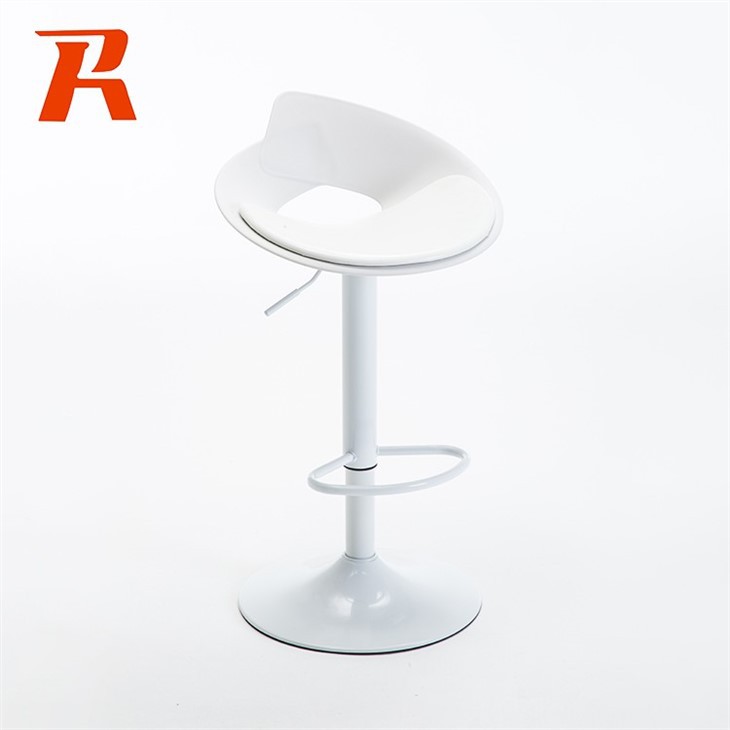
Fabric bar stools have become a common choice in modern homes and commercial spaces due to their comfortable seating feel and elegant appearance. However, since the fabric material is more likely to absorb dust, oil, and liquids, it needs to be cleaned regularly. This article will provide an in-depth analysis of the cleaning methods of fabric bar stools from multiple dimensions to help readers extend their life.
Before you start cleaning, you must first determine the type of fabric used in the fabric bar stools. Common fabrics include polyester, linen, velvet, blends, etc. Each fabric has different tolerances to detergents. For example, velvet has a soft texture and is prone to fading or fiber damage if alkaline or alcohol-based detergents are used; while polyester fiber is relatively stain-resistant and suitable for more types of detergents. By checking the product label or asking the manufacturer, you can determine the type of fabric and choose the appropriate cleaning method to avoid irreversible damage caused by improper methods.
Daily dust removal
Although fabric bar stools cannot be wiped directly with a damp cloth like leather or metal ones, regular dusting is equally important. Dust in the air, pet hair, clothing fibers, etc. will accumulate on the cloth surface during use, and stains will easily form over time. The most effective daily dust removal method is to use a vacuum cleaner with moderate suction and a special soft-bristle brush head, which can clean deep dust without damaging the fibers. In addition, you can also use a clean tack roller to gently roll the cloth surface every week, especially in the gaps and seams, to prevent dirt from depositing into stubborn stains.
Local Stains Need To Be Dealt With Quickly
In actual use, spilled drinks and food residues on the seat surface often occur. The key to dealing with this type of localized stain is "quickly". Once a stain is found, use a paper towel or dry cloth to gently absorb it. Do not wipe hard to avoid spreading the stain in the fabric fibers. Afterwards, you can choose a neutral detergent diluted with warm water according to the type of stain, and use a soft white sponge to take a small amount and wipe it gently to avoid staining or leaving marks. After cleaning, wipe it gently with clean water to ensure that no residual detergent remains on the cloth. Finally, let it air dry naturally or use a hair dryer with a cold wind setting to assist drying to prevent moisture from causing odor or mold.


Regular Deep Cleaning
In addition to routine maintenance and emergency treatment, fabric bar stools also require regular deep cleaning. Deep conditioning is usually recommended once every quarter. You can use a special cleaning foam product for fabrics. Spray it according to the instructions and let it sit for a few minutes. Then brush the surface lightly with a soft brush. Finally, wipe off the foam residue with a damp cloth and ventilate it to dry. This process removes deep-seated stains, odors, and bacteria, and is especially useful for bar stools in high-use kitchen spaces. In addition, for cloth covers that cannot be removed, it is recommended to avoid frequent wet cleaning, and instead use gentle methods such as dry soaking, steam or professional cleaning to reduce moisture erosion of the internal structure.
Choice Of Cleaning Tools And Products
Many people ignore the importance of cleaning tools and products for the maintenance of fabric furniture. Using hard-bristled brushes, high-concentration detergents, or alcohol-based cleaning products may result in cleaning effects within a short period of time, but they often damage fabric fibers or cause fading. It is recommended to choose a neutral, non-irritating detergent. For tools, use a soft, highly absorbent sponge, a clean white towel, and a vacuum cleaner with moderate suction and a brush head.

Applying anti-fouling spray treatment on newly purchased fabric bar stools can effectively reduce the difficulty of subsequent cleaning. Waterproof and oil-proof spray products on the market can form an invisible protective film on the cloth surface to reduce the possibility of liquid penetration and food oil stains adhering. This treatment will not change the original breathability and feel of the fabric, but it needs to be re-sprayed every 2 to 3 months to maintain the effect.