How to Fix a Wobbly Office Chair
Apr 17, 2025
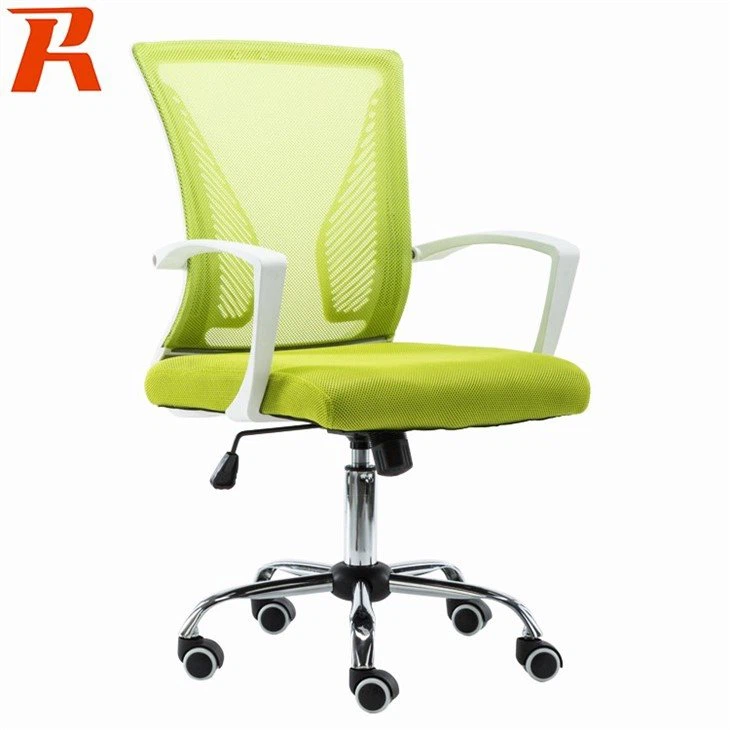
As one of the most frequently touched pieces of furniture in the workplace, office chairs' structural stability directly affects the user's sitting comfort and work concentration. However, many office chairs tend to "wobble" after prolonged use. This article will gradually dismantle the core structure of the office chair, explain the causes of shaking from multiple levels, and provide practical and effective maintenance suggestions.
When the office chair shakes, the first thing to do is to determine where the shaking occurs. Because the problem of "swaying" is not caused by a single cause, it may appear in different parts of the chair, and the reasons behind the shaking of each part are also different. For example, if you sit on a chair and tilt it slightly, the back of the chair will swing from side to side, then the problem most likely occurs in the backrest connecting frame; if the entire seat shakes up and down, the connection between the lifting rod and the chassis may be loose; if the shaking from side to side is obvious and accompanied by abnormal noise, you need to check the base and caster brackets. By artificially applying pressure tests in different directions, problem areas can be quickly identified, avoiding blind disassembly and assembly, and improving repair efficiency.
Backrest rocking
The backrest and seat of the office chair are not fixedly welded together, but are connected through a movable "connection structure". This structure usually includes a metal connecting rod or a built-in pivot installed between the bottom of the chair's backrest and the rear of the seat cushion. Its function is to allow the backrest to tilt naturally when the user reclines, and at the same time to return to its original position when returning to the upright position. This joint carries a lot of force during daily use - every time you lean back, sit down or lean over, the force is concentrated in this place. If time passes, the connection screws will slowly loosen due to repeated rocking back and forth, and the metal parts of the backrest connection (such as steel plate welding points and rivet locations) will also appear slightly cracked or loose.
To solve this problem, the correct approach is to turn the chair upside down or remove the backrest, and thoroughly check the joints, especially whether the metal seams are cracked and the plastic parts are aging and deformed. If necessary, the entire connecting assembly can be replaced instead of just the screws. There are universal backrest connection brackets or pivot assemblies on the market. When replacing them, be sure to choose a model that matches the size of the original chair.
Seat Cushion Shakes
The office chair seat cushion is installed on the top of the pneumatic lifting rod through the chassis and is fixed by friction and tapered structure. The core of this structure lies in the principle of cone fastening, that is to say, the weight of the seat itself inserts the air rod into the chassis hole to form a tight bite. However, during high-frequency lifting, violent rotation or movement, the joint may become loose due to repeated small shaking, causing the air rod to swing freely in the chassis hole, causing up and down or diagonal shaking. Repair methods usually require inverting the chair, using a rubber mallet to tap along the tapered joint to tighten it, or directly removing the seat cushion to clean the dust and oil stains at the joint to enhance the bite force; if the metal hole wall is severely worn or the air rod body is skewed, it should be replaced decisively.

Chassis Is Loose
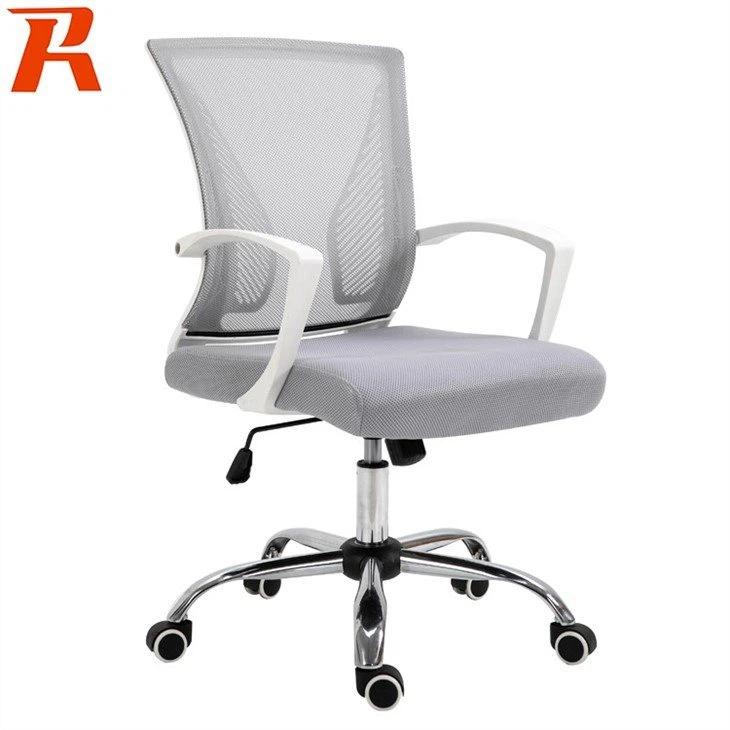
The chassis is the structural core that supports the seat and aerobar. Its internal structure is generally composed of multiple sets of springs, rotating shafts, dampers and control rods. The exterior is connected to the embedded metal nut at the bottom of the seat plate through at least four to six high-strength screws. During normal use, the chassis bears a three-dimensional load, including vertical pressure from top to bottom (human body weight), torque when leaning back, and lateral shear force caused by lateral rotation. If the user habitually puts his or her feet on the chair wheel to exert force, or frequently leans back greatly and rebounds rapidly, these uneven loads will cause high-frequency local impacts on the key connection points of the chassis, causing the screws to slowly loosen and the metal plate to shift slightly. At this time, the chassis should be completely dismantled and the internal metal brackets should be checked for deformation. If necessary, it is recommended to replace the chassis assembly as a whole.
The Five-claw Base Is Unstable
The connection between the five-claw base and the lifting air rod adopts a snap-on cone-shaped insertion. Theoretically, it becomes tighter as the force is applied. However, if the plastic of the socket is aged or the metal material is unqualified, cracks or slippage may easily occur during use. The casters are fixed to the five-claw bottom by press-fitting or snap-locking. If the pin holes are deformed due to impact, the casters will not be securely fixed, causing the chair to tilt to one side. Maintenance suggestions include: first, pull out all wheels for cleaning and check whether the interfaces are loose. If necessary, replace the wheels or add plastic gaskets to fill the gaps; second, observe whether the five-claw base has any traces of whitishness or cracks. Once found, the full set of five-claw base must be replaced to prevent safety accidents due to breakage.
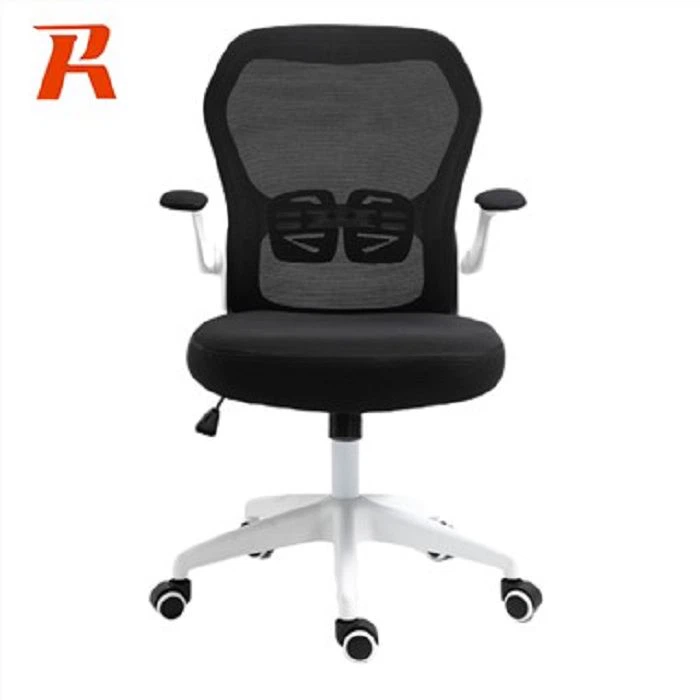
Office chairs often add a layer of plastic gaskets, metal gaskets or sealing rings to the connection parts. The functions of these small parts are to absorb shock, equalize pressure, increase friction, and prevent wear and tear caused by direct collision between two hard structures. Once the gasket is lost or severely worn, gaps will appear between the metal surfaces that were originally tightly coupled, causing the chair to shake or make abnormal noises during use. This kind of problem is often not easy to detect, and the fundamental problem cannot be solved by simply tightening the screws. It is recommended to disassemble and check whether there is a washer under the screw or whether it is crushed and deformed. If there is no spare, you can buy a general-purpose rubber gasket instead.
Initial installation error
Many office chairs are assembled by users themselves rather than installed by professionals. Users can easily make two key mistakes during the installation process: First, the angle is incorrect, causing the screws to be tightened but not fully fitted; second, some parts are installed backwards or in the wrong order, making the subsequent structure unable to balance the stress. This initial error is often not obvious at the beginning, but after a period of use, problems such as uneven stress on the structure and thread deformation will gradually appear, eventually causing shaking. At this time, the chair should be completely disassembled and reassembled, and the steps in the instructions should be strictly followed. If necessary, ask others to help calibrate the angle and force direction to avoid deviations caused by angle deviation caused by single-person operation.