

What Are the Best Practices for Caring for Different Types of Bar Stools?
Jan 22, 2025
Daily Usage Considerations
Adjusting Height for Optimal Comfort
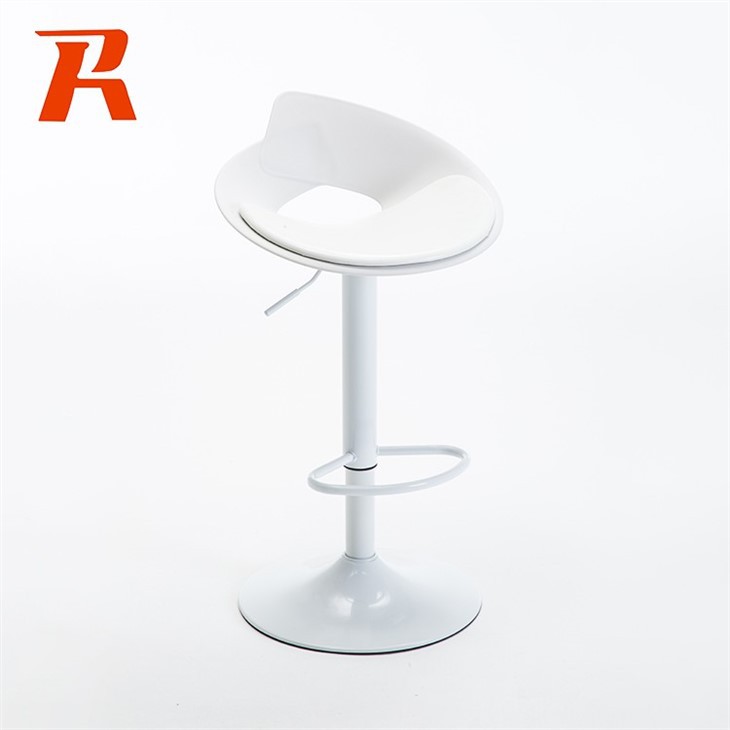
Proper adjustment of the bar stool's height is crucial for ensuring both comfort and ergonomics, which can significantly enhance your dining or entertaining experience. To achieve the perfect height, start by measuring the height of your counter or bar. Ideally, there should be a 10- to 12-inch gap between the seat and the surface. This allows for comfortable legroom, enabling you to sit with your feet flat on the floor or a footrest, reducing strain on your back, knees, and hips. Most modern bar stools come equipped with pneumatic lift mechanisms that make height adjustments quick and easy. Simply press the lever or button located under the seat to raise or lower the stool to your desired height. Always ensure the stool is stable at the chosen height before use by gently pushing it to test its stability. If the stool wobbles or feels unstable, adjust the height or check the feet for any unevenness.
Regular Maintenance and Cleaning
Maintaining your bar stool involves regular cleaning and maintenance to prevent wear and tear, extend its lifespan, and keep it looking its best. Use a soft, damp cloth to wipe down the surface, avoiding harsh chemicals, abrasive cleaners, or scratchy sponges that could damage the finish. For fabric seats, vacuum regularly to remove dust and crumbs, and spot-clean stains with a mild detergent and soft cloth. Avoid soaking the fabric, as this could lead to mildew or other damage. Wood and metal frames should be polished occasionally with appropriate products to retain their shine, prevent rusting, and protect the finish. Inspect all screws and joints periodically to tighten any that may have loosened over time, ensuring the stool remains sturdy and stable. If you notice any cracks, scratches, or other damage, repair them promptly to prevent further wear.
Safe Usage Practices
Safety should always be a priority when using bar stools. Ensure that the floor where the stool is placed is even and stable to prevent tipping. Avoid placing the stool on uneven or slippery surfaces, such as rugs or tiles without proper padding. Overloading the seat with excessive weight can lead to structural damage, so always adhere to the manufacturer's weight capacity guidelines.
Transportation and Storage Guidelines

Disassembly for Easy Transport
When moving or storing bar stools, disassembling them can significantly ease the process and protect them from damage. Start by carefully removing the seat, which is often held in place by screws or clips. Make sure to use the correct tools for the job to avoid stripping the screws or damaging the finish. Next, detach the legs or base, ensuring you keep all hardware in a labeled bag to make reassembly easier. Use bubble wrap, moving blankets, or soft towels to protect the finished surfaces from scratches, dents, and other damage during transit. Reassemble the bar stools once you reach your destination, following the manufacturer's instructions to ensure all parts are securely fastened and the stool is stable.

Proper Storage Techniques
If space is limited, consider stacking the disassembled bar stools vertically to save room. Use soft padding, such as foam, blankets, or bubble wrap, between each stool to prevent scratches and protect the finish. Alternatively, invest in storage racks designed specifically for bar stools, which can keep them organized, off the floor, and easy to access when needed. For long-term storage, ensure the area is dry, well-ventilated, and free from extreme temperatures to prevent mold, mildew, and warping. If storing assembled bar stools, lean them against a wall at a slight angle to prevent them from falling over and causing damage. Ensure they are stable and secure to avoid any accidents.

Handling Precautions
When transporting bar stools, whether fully assembled or disassembled, always lift with your legs and avoid twisting or jerking movements to prevent injury and damage to the stools. Secure all parts in the moving vehicle using straps, ropes, or bungee cords to prevent shifting and potential damage. If transporting over long distances, consider using a padded moving blanket or specialized furniture covers to provide extra protection from dust, dirt, and bumps on the road. Make sure the vehicle is properly loaded and balanced to ensure a smooth and safe journey for your bar stools.
Determining the Right Style and Material
Choosing the right bar stool begins with identifying the style that complements your home decor. From rustic wood to sleek metal, and from upholstered seats to padded leather, there's a vast array of materials and designs tailored to suit every aesthetic preference. Consider the overall theme and ambiance of your space and opt for a finish that blends seamlessly, enhancing the room's visual appeal. Rustic wooden stools, for instance, can add a cozy, timeless charm, while sleek metal options provide a modern, industrial vibe. Additionally, think about the durability of the materials. Metal frames, often coated in rust-resistant finishes, offer robust support and withstand wear and tear over time. Wooden stools, on the other hand, bring a warm, classic touch and can be finished in various stains or paints to match your decor.
Evaluating Comfort and Ergonomics
Comfort is paramount when selecting a bar stool, especially if you plan to use it frequently or for extended periods. Look for seats that are adequately cushioned and provide sufficient back support to ensure a pleasant sitting experience. Adjustable seats and backrests offer added versatility, accommodating users of different heights and preferences, and ensuring optimal comfort for everyone. Consider the footrest or base design as well; a wide, stable base ensures stability and reduces the risk of tipping, while a footrest can enhance comfort by providing a convenient place to rest your feet, reducing strain and improving posture.
Considering Size and Space Constraints
Before purchasing, meticulously measure the area where the bar stool will be placed to ensure it fits comfortably without impeding movement or cluttering the space. Take note of the dimensions of both the seat and the overall height when fully extended, ensuring they align with the height of your counter or bar. If space is limited, consider bar stools with a slim profile or those that can be folded for easy storage, maximizing your space's functionality. Additionally, think about the number of stools you need to accommodate your guests or family members comfortably. A good rule of thumb is to allow about 24-30 inches of space per stool for comfortable maneuvering, ensuring a pleasant and unobstructed flow in your living area.
Modular And Detachable Design

Convenience and Flexibility
Modular and disassembled bar stool designs offer unparalleled convenience and flexibility. These stools can be easily taken apart for transport, storage, or even reconfiguration to suit changing needs. For instance, if you move houses or redecorate, you can dismantle the stools and reassemble them in your new space without needing professional assistance.

Customizable Aesthetics
Modular designs often allow for customization, enabling you to mix and match components to create unique looks. Change the seat cushion color, swap out legs for different styles, or add accessories like armrests to suit your decor or personal preferences. This level of personalization ensures your bar stools remain relevant and appealing over time.
Ease of Maintenance
Disassembleable designs also facilitate easier maintenance. Individual components can be cleaned or repaired more effectively when separated. For example, if the upholstery on a seat becomes worn, you can replace just the seat cushion rather than the entire stool, extending its overall lifespan and saving costs.

Space-Saving Solutions
In small living spaces, modular bar stools can be a game-changer. When not in use, they can be quickly disassembled and stored flat, freeing up valuable floor area. This adaptability makes them ideal for apartments, condos, or any home where space is at a premium.


